I turned a brand's unused creator footage into ad-ready video. The clips were filmed by creators; my work was editing, structuring and optimizing them for paid ads. I reorganized the raw footage into a library sorted by role, then edited for what actually moved performance: hooks that stop the scroll, pacing that holds attention, and a clear path to the call to action.
The footage arrived as a pile of unsorted clips. I went through all of it and transcribed every clip, then sorted them by the job each one did in an ad: a hook, main content, or a call to action.
With everything mapped this way I could rebuild what an ad needed to say, pull the exact clips for it, and edit far faster because I always knew where each part lived.
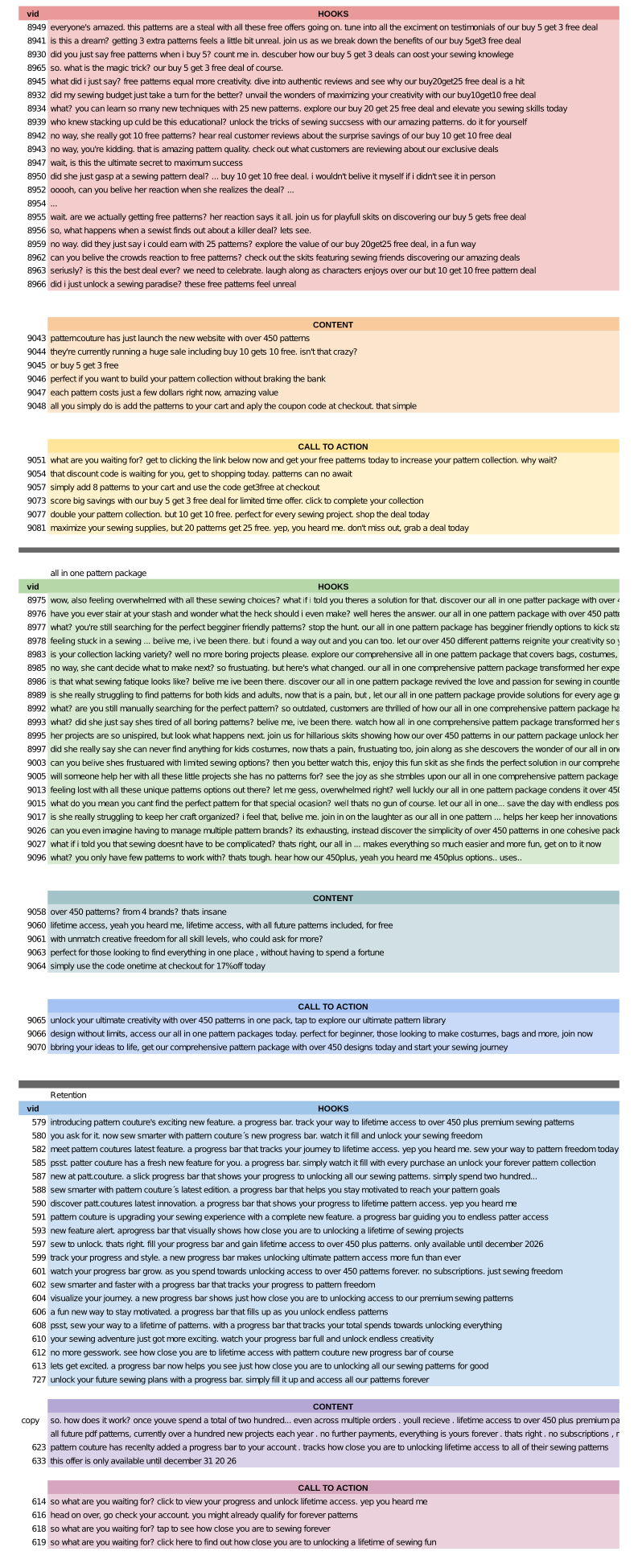
With the library in place, every edit was built for performance. I designed the first seconds to stop the scroll, added captions and text overlays so the message landed even without sound, and cut the pacing to hold attention all the way to a clear call to action. Small choices like a caption's timing shaped how many people stayed to the end, so I tested them and kept what held viewers longest.
I edited and tested ads across three campaigns: a buy X get Y free offer, an all-in-one pattern package, and a new retention feature. Within each one I tested not only different hooks but also text overlays and captions, keeping what lifted performance.

The first seconds decide whether an ad gets watched, so that is where the work went.
A tight rhythm and clean cuts kept people watching all the way to the call to action.
Sorting raw footage by role made every later edit and test far quicker.